The room is the evidence
A surviving performance hall can reveal more than a lobby filled with theatre posters. Start with the structure, then read the decoration.
Historic theatre hotels / Opening programme
A balcony becomes a meeting place. A foyer welcomes overnight guests. Follow the architectural decisions that give performance buildings another life—without confusing a theatrical theme with a surviving theatre.
STEP INSIDE THE TRANSFORMATION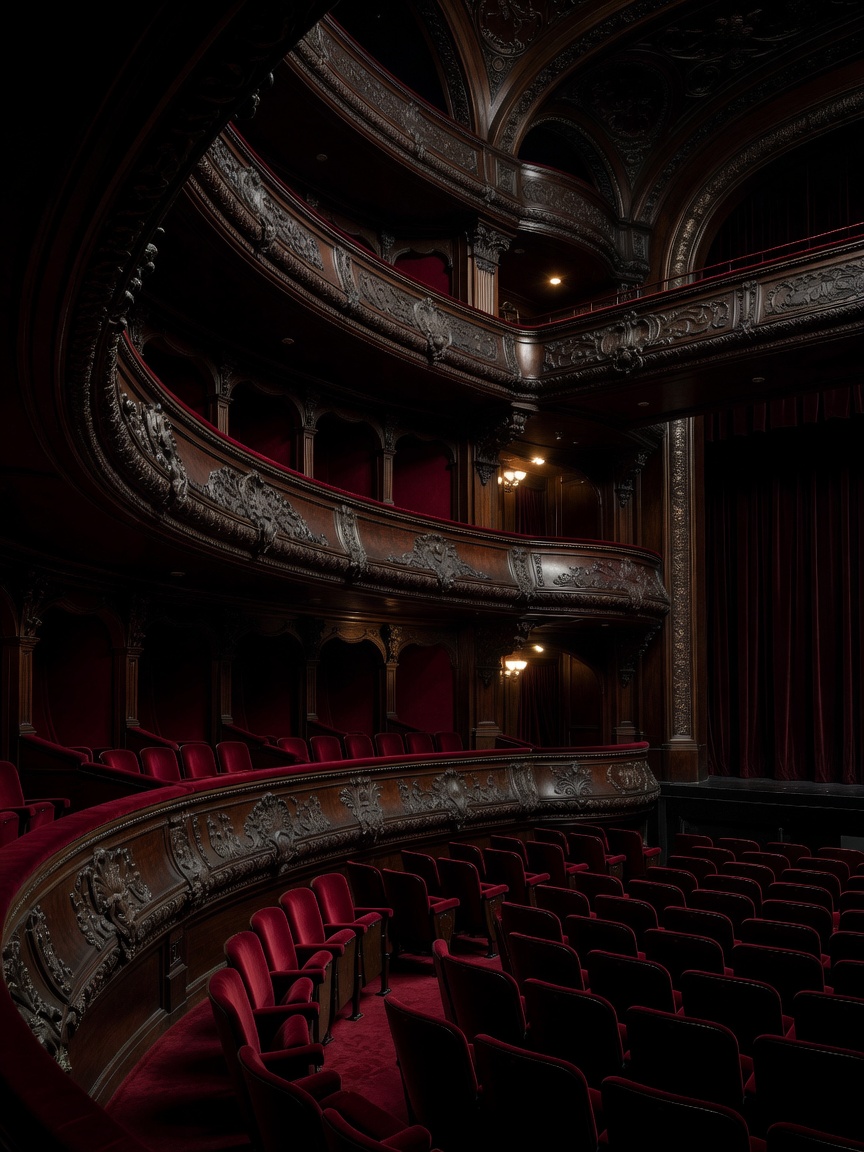
01 / The new programme
A theatre hotel is most interesting where two building types meet. Public gathering spaces, unusually tall rooms and ceremonial entrances may remain; bedrooms, plumbing and quiet circulation arrive later. This independent guide helps you tell those layers apart.
A surviving performance hall can reveal more than a lobby filled with theatre posters. Start with the structure, then read the decoration.
A hotel can occupy a theatre site, share a theatre complex or borrow stage imagery. Those are distinct histories, not interchangeable claims.
We explain architecture and documented histories. We do not sell rooms, rank booking offers or represent the properties discussed.
02 / Read the evidence
Three clues help separate an inherited space from a contemporary theatrical interpretation.
Its curve may still face a former stage even when the floor below has become a dining or events space. Check whether it is original, reconstructed or decorative.
Read the balcony cluesWide stairs and layered foyers once moved audiences together. Hotel circulation needs a quieter, more private rhythm.
Follow the old routesA ceiling can preserve the scale of an auditorium after its seating has gone. New services may be threaded around, below or behind it.
Understand the trade-offs03 / Change of role
A conversion is a sequence of decisions, not simply a new interior. Explore the stages in any order.
Archive research and measured surveys establish what survives. A theatre name, a replacement façade and a retained auditorium each tell a different story.
Start with the surveyDaylight, drainage, fire escape and accessible routes shape the plan. Keeping a large hall intact may mean locating bedrooms elsewhere in the complex.
See the design decisionsMaintenance, deliveries, events and guest privacy all matter. A beautiful restored room needs a viable use and an ongoing care plan.
Read about daily operation04 / What to keep
Preservation is not a contest to retain every surface unchanged. It is a reasoned choice about significance, safe use and the legibility of new work.
Yes, when it gives the room a viable purpose without erasing the features that make it significant. An events use may suit an open hall better than subdivision into bedrooms.
No. New work can be clearly contemporary and still respectful. Honest distinctions often help visitors understand what is inherited and what was added.
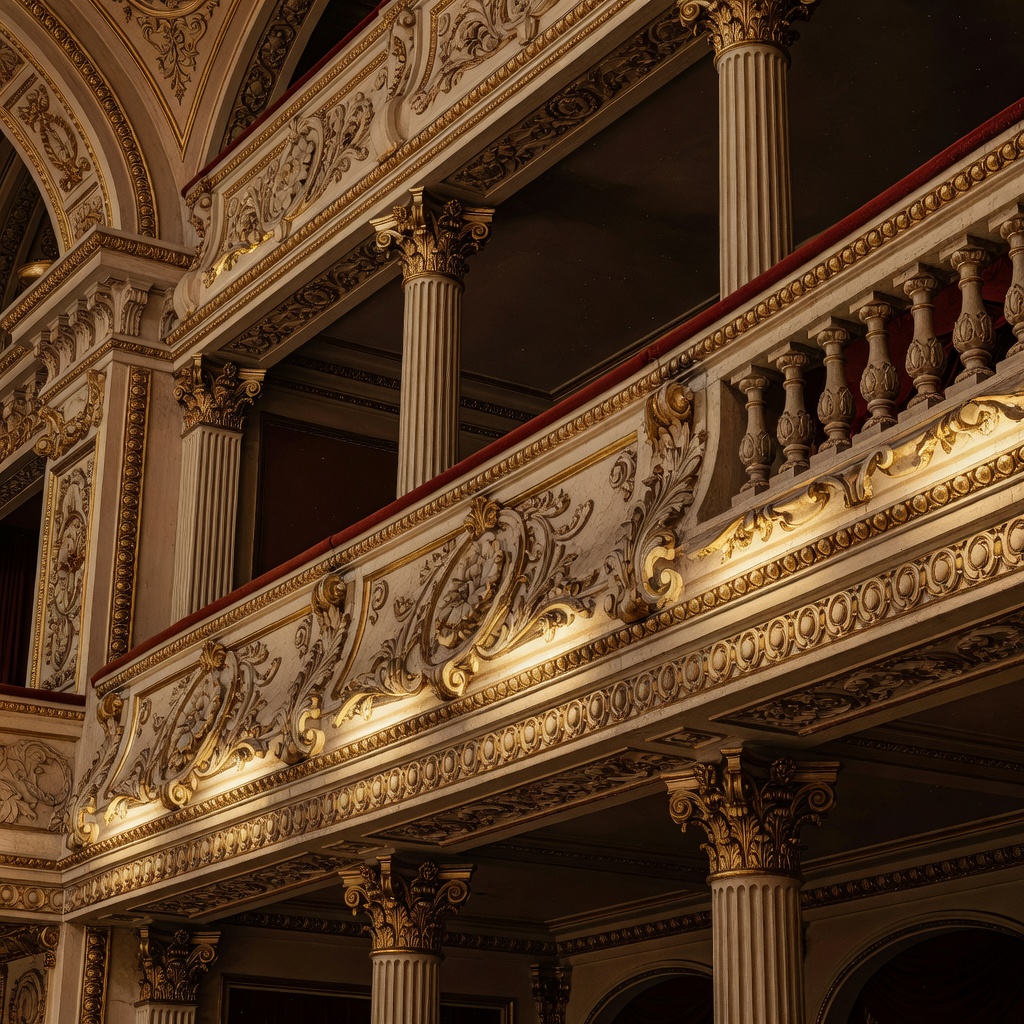
A painted ceiling can be a historic document. A velvet curtain may be a new design choice. Both shape a stay, but they mean different things.
05 / Choose a route
Balconies, stage openings and the routes that reveal a theatre’s original purpose.
Explore theatre fabric →How surveys, services and guest circulation turn a challenging building into a workable hotel.
Explore conversion →The practical choices behind repair, adaptation and the interpretation of historic spaces.
Explore conservation →Questions to ask before booking, from actual access to event noise and accessible rooms.
Explore the guest experience →06 / Evidence desk
These examples show why we distinguish the survival of a room, the memory of a site and the adaptation of a larger complex.
See sources and editorial method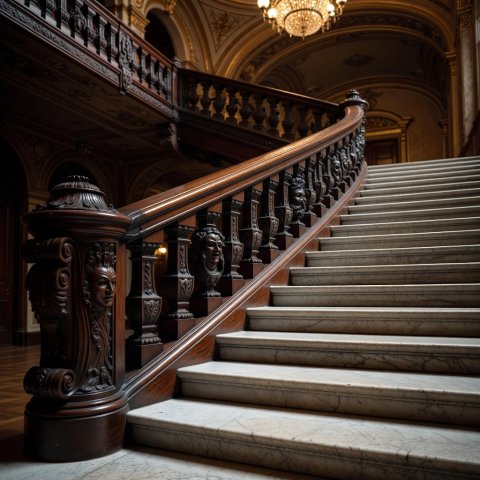
Our references favour property histories, heritage organisations and conservation guidance. Present-day access and operating details still need direct confirmation.
Meet the programme notes07 / A final interval
Not necessarily. Bedrooms often occupy other wings or upper floors while a retained hall becomes a shared space.
No. A name, location or interior theme does not establish an actual conversion.
Sometimes, but access may depend on events, opening hours and private functions. Ask the property directly.